
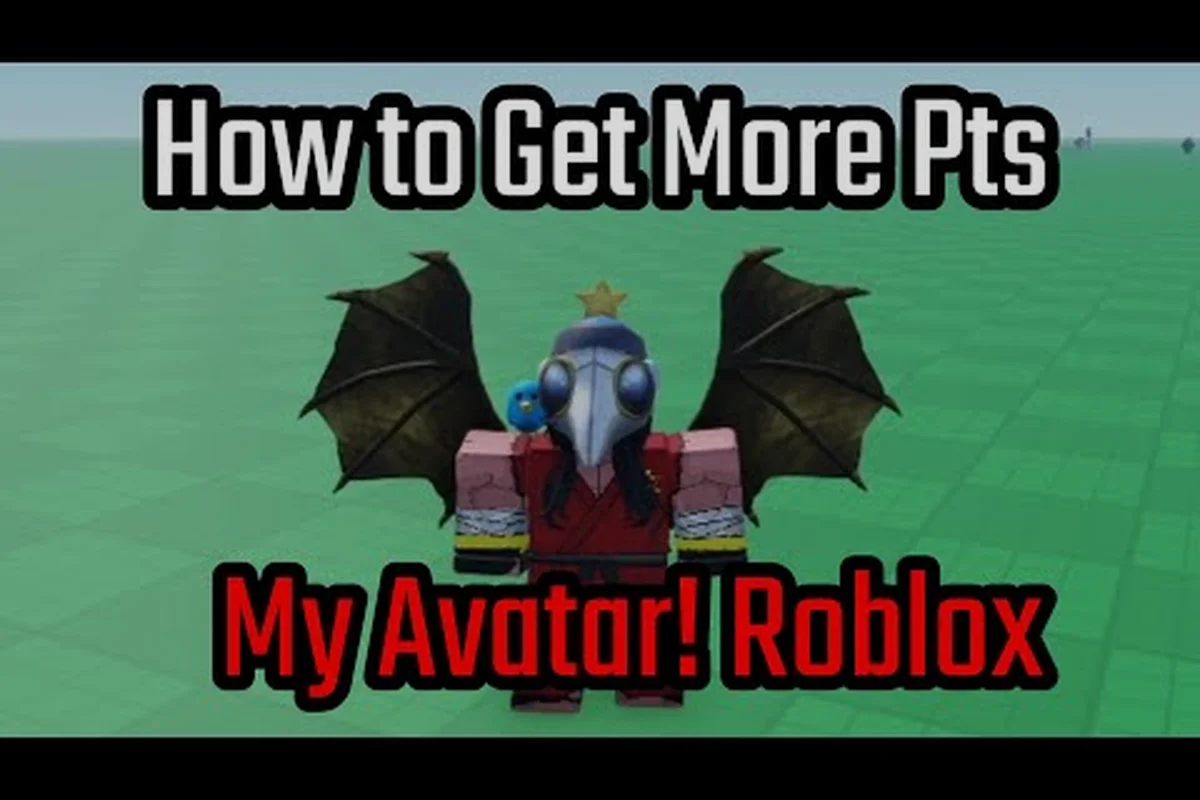
Building standout my avatar outfits for boys comes down to understanding how catalog pieces interact before you spend a single Point. The game's preview system lets you test every combination without committing, which means the best looks are rarely about owning the most expensive items and almost always about layering the right silhouette, color anchor, and accessory story. With over 415 million visits and a 91% approval rating on the official My Avatar game page, the community has already solved most of the trial-and-error for you — this guide pulls those tested combos, outfit codes, and community-made templates into one place so you can skip the catalog scrolling and land on a look that actually reads as intentional.
Why Community-Made Templates Beat Random Catalog Picks
The fastest way to build my avatar outfits for boys that look cohesive is to start from a template someone else has already stress-tested. Community-made outfits solve the hardest part of avatar design: knowing which items share the same visual weight and color temperature before you buy them. When you browse the in-game outfit showcase, you are seeing finished looks that survived real player feedback, not isolated catalog thumbnails that often look different once equipped.
A template gives you three things that random shopping never does. First, it locks in a silhouette — the overall shape your avatar cuts against the Roblox background, which matters more than any single accessory. Second, it establishes a color anchor, usually one dominant hue that repeats across hair, shirt, and pants so the eye tracks a story instead of noise. Third, it bundles the accessory hierarchy correctly, meaning the hat, face, and back item all sit at different visual depths without competing.
| Template Element | What It Controls | Why It Matters for Boys' Outfits |
|---|---|---|
| Silhouette | Overall body shape and outline | Determines whether a look reads as streetwear, athletic, or fantasy before any detail is noticed |
| Color Anchor | Dominant hue repeated across 2-3 slots | Creates cohesion so mixed catalog items feel like one designed set |
| Accessory Hierarchy | Which item draws the eye first | Prevents the "everything is loud" problem that makes outfits look random |
| Layering Depth | How items overlap (jacket over shirt, chain over jacket) | Adds dimension so flat catalog pieces feel premium |
The point store's 100+ free accessories are where most community templates start, because free items let you experiment with proportion without risking your Points balance. Players who build from templates consistently report that their saved outfits get more showcase likes than their improvised ones, which tracks with how the preview system rewards deliberate repetition of a single visual idea.
The Core Combos That Always Work
When you strip away seasonal trends, my avatar outfit combos for boys fall into a handful of repeatable formulas. These are not rigid uniforms — they are starting skeletons that you can swap pieces in and out of while keeping the underlying structure intact. The key is understanding which slots carry the most visual weight and building outward from there.
Streetwear Foundation: Hoodie, Cargo, and Chain
The streetwear combo is the most forgiving starting point because it works with almost any face and hair combination. Start with a dark hoodie as your color anchor, pair it with cargo pants in a slightly lighter neutral, and add a chain accessory at the neck to break up the torso. The chain matters more than most players realize — it creates a focal point that pulls the eye up toward the face, which is where expression-based identity lives.
| Slot | Recommended Item Type | Why It Works |
|---|---|---|
| Hair | Short fade or textured crop | Keeps the silhouette clean so the hoodie reads as the statement piece |
| Face | Neutral or slight smirk | Avoids competing with the outfit's attitude |
| Shirt | Dark hoodie (black, charcoal, navy) | Anchors the color story and hides proportion issues |
| Pants | Cargo or jogger in lighter neutral | Creates contrast without breaking cohesion |
| Neck | Chain or dog tag | Adds a focal point that lifts the eye to the face |
The streetwear formula succeeds because it respects visual hierarchy — one loud element (the hoodie), one supporting element (the chain), and everything else quiet. When you preview this combo in the catalog, you will notice it reads well even before you add any rare items, which is why it is the most common foundation in community-made templates.
Athletic Silhouette: Compression Top and Track Pants
The athletic combo leans on proportion instead of accessories. A fitted compression top paired with tapered track pants creates a clean vertical line that makes your avatar look taller and more deliberate. This is the combo to use when you want the face and hair to carry the identity and the body to stay out of the way.
The trick with athletic looks is avoiding the pajama effect — when the top and bottom are both loose, the avatar reads as shapeless. Keep the top fitted and the pants tapered, then add a sport watch or headband as the single accessory that signals intent. Community reports consistently show that athletic combos with one well-chosen accessory outperform athletic combos with three random ones, because the single accessory reads as a choice rather than clutter.
Layered Fantasy: Cape, Armor, and Contrast Trim
For boys who want a more dramatic look, the layered fantasy combo uses depth as its main weapon. A cape over a chest armor piece over a dark undershirt creates three distinct visual planes, which makes even budget catalog items feel premium. The key is keeping the trim color consistent — if your cape has gold trim, your armor should echo that gold somewhere, even if it is just a belt buckle or glove accent.
The fantasy combo is where the preview system earns its value, because capes and armor pieces have wildly different scaling depending on your avatar's body type. What looks heroic on one build can look bulky on another, so always test the full layered stack before spending Points on any single piece.
Outfit Codes and How to Use Them
My avatar outfit codes are the shortcut that most new players overlook. Unlike the Point Store's free accessories, outfit codes unlock specific curated looks that the developers or community have already assembled. When you redeem a code through the Point Shop's Buy Points flow — the same path documented in the working codes guide — the outfit pieces land in your inventory ready to equip.
The redemption path is straightforward: open the Point Shop, select Buy Points, and paste the code into the Enter Code Here box. Codes like 50Points grant 50 free Points that you can spend on outfit pieces, while older codes such as 100POINTS may expire without warning. The official Discord is the primary channel where new codes drop, and our My Avatar codes tracker maintains a current list if you want a second source.
| Code Type | What It Grants | Best Use for Boys' Outfits |
|---|---|---|
| Point codes (e.g., 50Points) | Free Points to spend in the Point Store | Buying the free accessories that anchor a combo |
| Outfit-specific codes | Curated look pieces | Jumpstarting a template without catalog searching |
| Limited-time codes | Seasonal or event items | Grabbing rare pieces that define a themed look |
The strategic play is to redeem point codes first, then use those Points on versatile neutrals — black pants, white sneakers, a clean face — that work across multiple outfit templates. Spending free Points on a single loud item locks you into one look, while neutrals multiply the value of every future code you redeem.
Building Your Own Template From Scratch
Once you have absorbed a few community-made outfits, the natural next step is building my avatar outfit templates that are uniquely yours. The process is not about inventing new combinations from nothing — it is about remixing proven structures with your own color and accessory preferences. Start with a silhouette you like, swap the color anchor, then test one new accessory at a time.
Step-by-Step Template Workflow
The workflow below is what experienced players use when they want a repeatable process instead of inspiration roulette. Each step builds on the previous one, so resist the urge to skip ahead to accessories before the foundation is locked.
| Step | Action | What to Check in Preview |
|---|---|---|
| 1 | Pick a silhouette (streetwear, athletic, fantasy) | Does the overall shape read clearly from a distance? |
| 2 | Lock a color anchor (one dominant hue) | Does the hue repeat across at least 2 slots? |
| 3 | Add the supporting neutral (pants or shirt) | Does the neutral create contrast without fighting the anchor? |
| 4 | Choose one focal accessory | Does it draw the eye where you want it? |
| 5 | Test the full stack in preview | Does it hold up when you rotate the avatar? |
The preview rotation check is the step most players skip, and it is the one that catches the most mistakes. An outfit can look perfect from the front and fall apart from the side or back, especially when capes, back items, or layered armor are involved. Always rotate the avatar a full 360 degrees before saving, and check how the look reads against both light and dark backgrounds.
Color Anchoring Without Going Monochrome
The most common mistake in my avatar outfits for boys is treating color anchoring as "wear all one color." That produces a flat, lifeless look. Real anchoring means picking one dominant hue and letting it appear in different values — a navy hoodie with a lighter blue accent, a black jacket with charcoal pants, a forest green shirt with olive trim. The variation creates depth while the shared hue family creates cohesion.
| Anchor Color | Supporting Values | Accent That Pops |
|---|---|---|
| Navy | Charcoal, steel blue | White or silver |
| Black | Dark gray, slate | Red or gold |
| Forest green | Olive, sage | Tan or copper |
| Burgundy | Maroon, dusty rose | Cream or brass |
The accent column is where personality enters. A single pop color — one accessory, one trim, one shoe detail — gives the eye a place to land and makes the outfit memorable. The outfit ideas guide goes deeper on specific color stories if you want to explore beyond the neutral foundations.
Where Community Outfits Actually Come From
My avatar community outfits are not created in a vacuum — they emerge from the showcase browsing loop that the game encourages. When you browse the outfit showcase, you are seeing finished looks that other players saved after their own trial and error. Saving those looks to your own outfit list is the fastest way to build a reference library, and the outfit showcase guide breaks down how to turn browsing into a saving habit.
The community's best templates share a few structural traits worth studying. They almost always use one focal accessory rather than three competing ones. They repeat their color anchor across at least two slots. And they respect the silhouette rule — the overall shape reads clearly even when you squint or view the avatar at a distance. These are not secrets; they are patterns you can extract from any top-performing community outfit and apply to your own builds.
The THINK DIFFERENT group behind My Avatar, led by LuaBearyGood with over 3 million members, actively surfaces community outfit showcases through its official Roblox group page. Watching which community outfits get featured is a free education in what the game's own curators consider strong design, and it is a better signal than chasing whatever is trending in the general catalog.
Frequently Asked Questions
What are the best my avatar outfits for boys on a budget?
Start with the streetwear foundation — a dark hoodie, cargo pants, and a chain accessory — using free Point Store items where possible. Redeem point codes like 50Points to fund neutral pieces that work across multiple templates. A single well-chosen focal accessory reads as intentional, so you do not need rare items to look polished.
How do my avatar outfit codes work?
Outfit codes are redeemed through the Point Shop's Buy Points flow. Open the Point Shop, select Buy Points, and paste the code into the Enter Code Here box. Point codes grant free Points for spending, while outfit-specific codes unlock curated look pieces directly. Codes expire without warning, so redeem them as soon as they drop.
Can I save community-made outfits to my own list?
Yes. When you browse the outfit showcase and find a look you like, you can save it to your outfit list for quick access later. This builds a reference library of proven templates that you can remix with your own color anchors and accessories, which is faster than starting every outfit from scratch.
What is the most common mistake in boys' outfit building?
Treating color anchoring as wearing all one color. That produces a flat, lifeless look. Real anchoring means repeating one dominant hue in different values — navy with steel blue, black with charcoal — plus a single pop accent. The variation creates depth while the shared hue family keeps the outfit cohesive.
How do I know if an outfit looks good before buying?
Use the preview system's full 360-degree rotation check. An outfit can look perfect from the front and fall apart from the side or back, especially with capes or layered armor. Test the full stack against both light and dark backgrounds, and check that the silhouette reads clearly from a distance before spending any Points.